

Turning 50 is an exciting milestone, but it’s also a time when our bodies start to change more noticeably. Staying strong and active over 50 requires more strategy. It also requires more awareness than it did in our 20s or 30s. Here are some key health check-ups, fitness goals, and lifestyle tips. These can significantly impact maintaining vitality. They are crucial for strength and overall well-being.
Essential Health Checkups for Your 50s
As we age, regular health screenings become even more critical. These checkups can catch potential issues early, giving us the best chance to manage or prevent them altogether.
- Heart Health
Regular blood pressure checks are essential. Cholesterol panels and blood sugar tests also help in keeping track of your cardiovascular health. Heart disease risk increases with age, but staying proactive with annual screenings and a heart-healthy lifestyle can help reduce it. - Cancer Screenings
Cancer screenings for those over 50 are highly recommended, especially for breast, colorectal, and prostate cancer. Talk with your doctor about the recommended screenings based on your family history and risk factors. - Bone Density Test
Bone density naturally declines as we age, particularly for women after menopause. A bone density test will check for osteoporosis or osteopenia (pre-osteoporosis). Preventative measures, like regular weight-bearing exercises and a diet rich in calcium and vitamin D, are excellent defenses. - Eye and Hearing Tests
Vision and hearing often decline gradually, making regular checks essential to detect any changes early on. Be sure to get your eyes checked annually and your hearing assessed every few years. - Skin Checks
Skin cancer risk increases with age. A simple annual skin check can help find any suspicious spots or moles early. Make it a habit to watch your skin for changes and use sunscreen consistently.
Fitness Goals for Staying Active and Strong
After 50, our metabolism and muscle mass naturally decrease, which can affect our strength and endurance. Here are some targeted fitness goals to help keep an active, healthy lifestyle.
- Strength Training
Regular strength training helps to combat muscle loss, keeps your metabolism active, and improves bone density. Aim for two to three sessions per week focused on all major muscle groups. Bodyweight exercises like squats and push-ups or light free weights are a great place to start. - Cardio for Heart Health
Cardiovascular exercise strengthens your heart and increases endurance. Aim for at least 150 minutes of moderate-intensity aerobic activity per week. Activities like brisk walking, swimming, or cycling are low-impact and gentle on the joints. - Flexibility and Balance
Yoga, Pilates, and stretching exercises improve flexibility, which helps prevent injuries. Additionally, exercises that challenge balance—like tai chi or simple one-leg stands—are excellent for fall prevention and strengthening stabilizing muscles. - Core Strength
A strong core supports your posture and stability, which becomes more critical as we age. Incorporate core exercises like planks, bridges, and gentle twists into your routine a few times a week. - Mindful Movement and Recovery
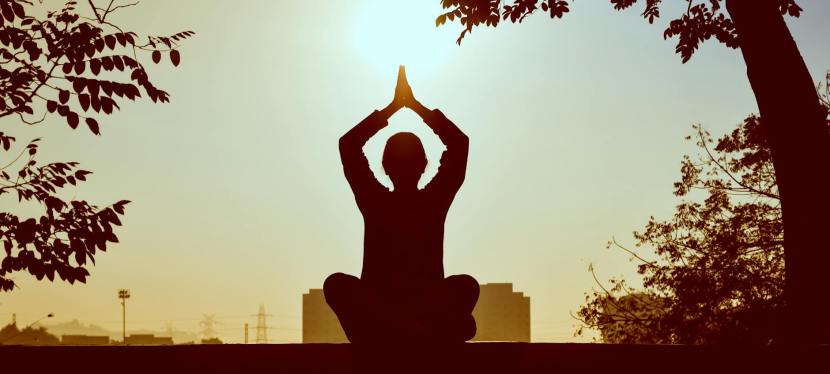
Recovery time becomes even more important after 50. Consider adding mindful movement like yoga or deep stretching. This not only keeps you limber but also helps manage stress, improve sleep quality, and maintain mental clarity.
Additional Tips for a Healthier Lifestyle in Your 50s
- Nutrition Focus: Prioritize lean protein, leafy greens, and whole grains. Include foods rich in omega-3 fatty acids for joint and brain health. Foods high in calcium and vitamin D are essential for maintaining bone density.
- Hydration: As our sense of thirst decreases with age, it’s crucial to stay hydrated. Drinking water supports joint lubrication, digestion, and energy levels. Keep water handy and sip throughout the day.
- Sleep: Quality sleep is vital for recovery, hormone regulation, and mental clarity. Aim for 7-8 hours each night. Consider sleep-friendly practices like limiting screen time before bed. Keep a consistent sleep schedule.
- Stress Management: Mental health matters as much as physical health. Incorporate stress-relieving activities into your daily routine, whether through meditation, hobbies, or simply taking time for relaxation. Staying connected socially also boosts mental well-being.
Final Thoughts
Aging doesn’t have to mean slowing down! Stay proactive with health checkups. Keep a balanced fitness routine. Adopt a healthy lifestyle. Doing so will help you make the most of this new phase of life. Every day is an opportunity to support your health, stay active, and enjoy the journey ahead.
Remember, aging well is all about balance, so try incorporating one new habit at a time and build from there.
How do you stay strong and active in your 50s? Feel free to share your own tips and routines in the comments—let’s inspire each other to live well at every age!

 Life Stages in Six-Year Blobs – Personal Growth by Age