

The Independent Elder Blob is a period of transformation, marked by adjustments to retirement or self-employment and often a redefinition of purpose. Many embrace this phase as a time to focus on personal interests, relationships, and goals outside of work. Studies indicate that up to 40% of retirees initially experience some difficulties adjusting, often due to a loss of structure that their careers once provided. However, with strong support from family, friends, and new social engagements, many discover fulfilling paths forward through hobbies, volunteering, and community involvement.
Navigating Relationship Dynamics in Retirement
Retirement can reshape relationship dynamics as couples spend more time together, sometimes revealing differences in lifestyle expectations. According to The Retirement Maze, couples may need to renegotiate shared goals and individual interests. Some spouses may feel challenged when their partners become more involved in day-to-day routines at home, which can feel restrictive. However, many couples use this time to reconnect and invest in shared activities that deepen their bond.
Financial Adjustments
Financial changes are central to this stage. While work-related expenses decrease—such as commuting and professional clothing—other costs may increase, particularly healthcare and travel, as many retired individuals have more time to explore new destinations. In fact, adults over 60 are among the fastest-growing demographic in the travel sector. In the UK, this age group now leads in travel-related spending, yet housing remains the largest expenditure category.
Adjusting to New Roles and Routines
Over time, many retirees find a routine that balances social connections, family, and personal projects. However, an increasing number of older adults are navigating the “grey divorce” trend, with rates of divorce among those over 60 tripling since 1990 in Britain. Some individuals seek support from resources like DivorcedOver50.com, which identifies stages in the post-divorce journey as “survive, revive, and thrive.” For those who remain married, the emphasis on shared goals and hobbies can create a rewarding transition.
Statistics show that nearly 4 in 10 older adults live alone, with women over twice as likely as men to do so, often due to widowhood or divorce. While children may offer support, their availability can vary due to career or family commitments. Friendships, therefore, become increasingly significant, offering companionship and a sense of connection. Many older adults also find comfort and inspiration in spiritual and philosophical pursuits, which help them reflect on life and find inner peace.
Physical and Mental Health Changes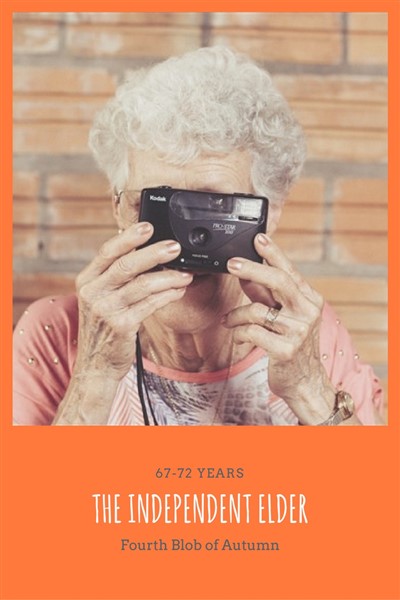
Physically, aging brings noticeable changes: skin elasticity declines, muscles weaken, and joint flexibility reduces. The senses—sight, hearing, taste, and smell—tend to dull, and reaction times slow. At the same time, the immune system’s capacity decreases, raising the risk for chronic illnesses. Nonetheless, regular, moderate physical activity and healthy nutrition can help manage these changes, enhancing mobility and overall well-being.
Mentally, cognitive processes slow, making tasks that involve memory and focus more challenging. However, crystallized intelligence—skills and knowledge accumulated over a lifetime—can remain stable and even improve, providing a foundation for making well-informed decisions. Engaging in mentally stimulating activities, such as reading, learning, or social interaction, has been shown to help maintain cognitive health and emotional resilience.
Embracing Community and Legacy
How have you or your loved ones adjusted to retirement? What helped make the transition easier?
Download your Life Stages in Blobs Worksheet now and document your journey!
Click here for Blob 13: Contemplative Elder
or read about any other Blob:
Spring: 1-6, 7-12, 13-18, 19-24
Summer: 25-30, 31-36, 37-42, 43-48
Autumn: 49-54, 55-60, 61-66, 67-72
Winter: 73-78, 79-84, 85-91, 91-…
Understand why the 7-year life stages are outdated in this Blog.
RESOURCES AND REFERENCES
The Retirement Maze: What You Should Know Before and After You Retire by Rob Pascale, Louis H. Primavera and Rip Roach
Surveys of retirement spending in the US
Adult Development and Aging by John C. Cavanaugh

 Life Stages in Six-Year Blobs – Personal Growth by Age