

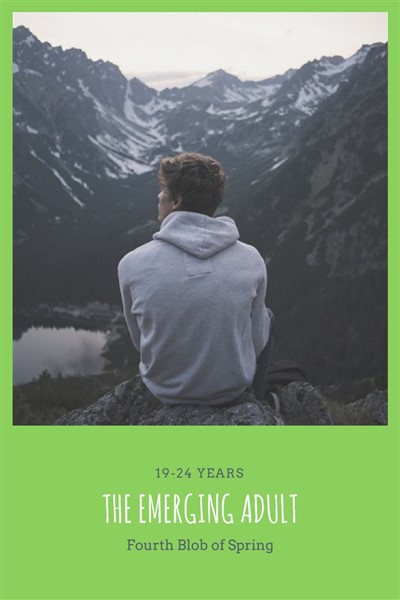
 19–24 Years: The Emerging Adulthood Blob
In this Blob, individuals take their first steps into adulthood. It’s a period when many finish their schooling and begin further academic or occupational pursuits. This is a time for planning the future, setting career goals, and making decisions that can have long-lasting effects. It’s also when many emerging adults move away from their families and build a network of close, personal friends.
Physical and Mental Development
By this stage, physical maturity has levelled off, and emerging adults are less preoccupied with body changes. Muscle development continues at a strong rate, and physical abilities are at their peak, including muscle strength, reaction time, sensory acuity, and cardiac function. Women also reach their peak fertility, even if they may not yet feel mentally prepared for parenthood.
Mentally, contrary to past beliefs, brain development is still ongoing during this stage, continuing until the end of this Blob. Abilities like processing emotions, handling social information, planning, and assessing risks are still maturing, making emerging adults more sophisticated than adolescents in these areas.
Growing Independence and Shifting Focus
 The emerging adult phase is characterized by a quest for independence, a sense of purpose, and the testing of one’s own and others’ boundaries. It’s a period when people start to assume personal and societal responsibility and gain a more distinct sense of purpose, even if it’s not immediately obvious. Along with the softening and maturing of the personality, this phase also strengthens the capacity for insight, intuition, and judgment. If earlier developmental stages were successfully completed, emotional maturity starts to blossom while interests sparked in earlier stages begin to take shape along more defined paths. This stage adds dignity, poise, and a more robust sense of self, laying the groundwork for a well-rounded adulthood.
Compared to their adolescent years, emerging adults tend to make fewer impulsive decisions. Peer influence wanes, and they start to develop a clearer sense of sexual identity, seeking more serious relationships and shifting their focus from self-centred interests to considering others. Many begin to value adult advice again, although they may still prefer it as guidance rather than direction. Emerging adults also start to form adult-like relationships with their parents, seeking to be treated as fully grown individuals.
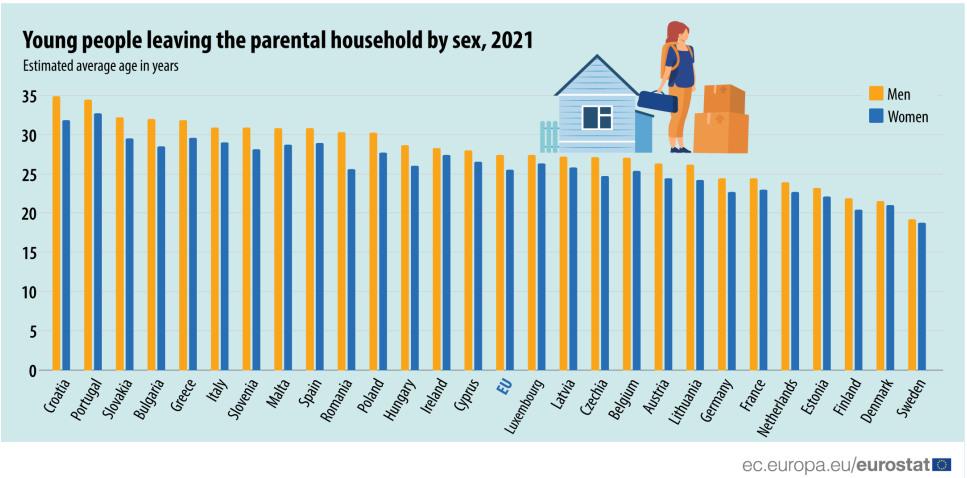
Just a few decades ago, this period was often marked by financial independence, long-term commitments, and marriage. However, with life expectancy in the developed world now reaching into the 80s and 90s, young adults are less inclined to rush into settling down. Major life decisions, like career commitments and starting a family, are now often delayed until the next Blob or even later. In 2021, in the EU, the average age of young people leaving their parental home was 26.5 years, though in some countries, such as Germany, many young adults embark on an apprenticeship program (Ausbildung) instead of pursuing university, gaining practical skills and financial independence while exploring potential career paths.. In northern EU countries, young adults still tend to leave home in their early twenties, while in southern and eastern EU states, this often doesn’t happen until their early thirties.
Exploration Over Settlement
As a result, the years of this Blob have become a time for exploration rather than settling down. People in their early 20s are more likely to try out various jobs, lifestyles, partners, ideas, and values. Many still receive financial support from their parents, postpone career choices, and may even move back home. The fact that many of the young men and women of this blob still prefer to live with their parents, led to the development of the concept of “emerging adulthood,” a term coined by Jeffrey Arnett in the late 20th century.
According to Arnett, today’s young adults have a “sense of possibilities” that enables them to delay commitment and take longer to reach traditional adulthood. Milestones no longer need to follow a set order: pre-marital sex is generally accepted, children may arrive before marriage, taking breaks from work to study is encouraged, frequent job changes are normal, and traveling the world before settling down has become an attractive, feasible option.
The Role of Technology and Dating
The digital age has also influenced this stage. According to a techreport from 2024 younger people tend to engage in online dating more than their older peers.
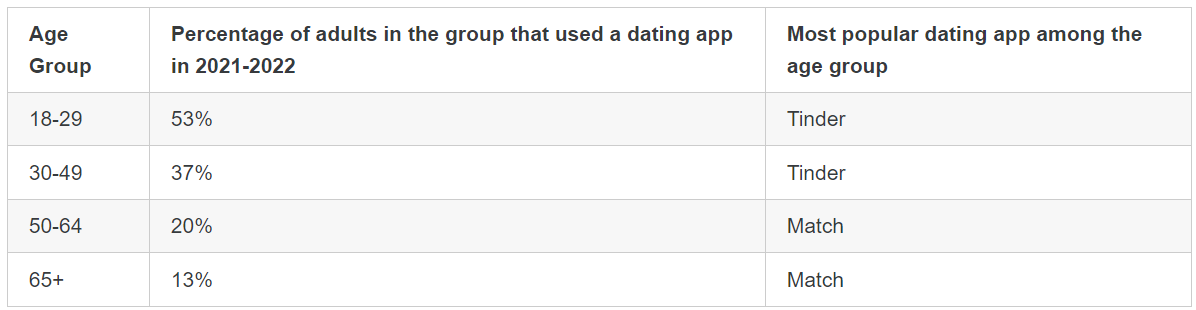
While many find partners through online platforms, around one-third of users haven’t even met someone they initially connected with online. Additionally, 32% of internet users agreed with the statement that “online dating keeps people from settling down because they always have options for people to date.”
The Double-Edged Sword of Possibility
 This new sense of possibilities can also lead to feelings of insecurity and uncertainty. Some emerging adults feel like they are caught between being grown-ups and not-quite-adults, more self-focused and less sure about the future. They are still navigating identity exploration, holding onto idealism and enthusiasm, aware that their decisions now will have long-lasting consequences.
On the other hand, a significant number of emerging adults may have completed their formal education by the end of this Blob. They might have moved out, chosen a career path, and achieved financial independence. Some may even be in committed relationships with clear plans to start a family and take on adult roles and responsibilities.
How did your emerging adulthood compare? Share your experiences in the comments. Or download your Life Stages in Blobs Worksheet now and start your journey!
Click here for Blob 5: Young Adult
or read about any other Blob:
Spring: 1-6, 7-12, 13-18, 19-24
Summer: 25-30, 31-36, 37-42, 43-48
Autumn: 49-54, 55-60, 61-66, 67-72
Winter: 73-78, 79-84, 85-91, 91-…
Understand why the 7-year life stages are outdated in this Blog
RESOURCES AND REFERENCES
Physical Development in Adulthood from ‘Boundless Resources’
Emerging adulthood and early adulthood from Wikipedia
Emerging Adulthood: A Theory of Development From the Late Teens Through the Twenties by Jeffrey Arnett
Being young in Europe today – family and society by Eurostat Statistics
People in the EU – statistics on household and family structures by Eurostat Statistics
What Is It About 20-Somethings? By Robin Marantz Henig in the New York Times
5 facts about online dating and Online Dating & Relationships by Pew Research Center

 Life Stages in Six-Year Blobs – Personal Growth by Age