
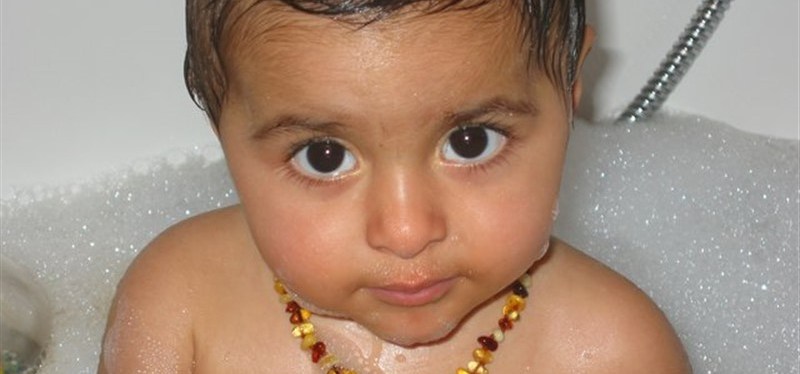
This stage is all about newfound independence and the beginning of communication. As infants progress through the second half of their first year, their horizons expand, and the world becomes a place to explore.
Physical Development
The speed of development in this period is remarkable. Muscular skills grow at an impressive pace, and any time after 8 months, infants might start crawling. By around 10 months, many can pull themselves up and stand on their own, and by the end of this stage, some are even taking their first steps.
Hand-eye coordination improves significantly, and by 12 months, the pincer grasp is well developed, allowing infants to pick up small objects between their thumb and forefinger. With the emergence of the first teeth, infants can begin sitting at the family table by around 10 months. They may want to hold a spoon themselves, even if they can’t quite use it effectively yet.
Movement and Independence
With the ability to move comes a newfound sense of independence. Infants start taking small steps away from caregivers, moving towards objects they want to explore—marking the beginning of goal-oriented behavior. They also start learning how to navigate obstacles; if something stands in their way, they may whine, or even actively try to remove it.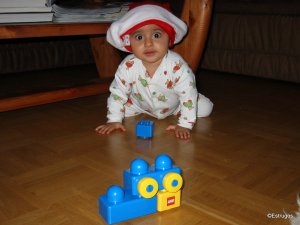
However, this newfound freedom also brings insecurities. Infants can become cautious of the world around them, and stranger anxiety often develops. They begin to distinguish between familiar and unfamiliar faces, and may cry if a parent leaves the room. They’ll be more selective about who they smile at and play with, highlighting the need for a balance between independence and the warmth of security.
Communication Skills
A major milestone in this stage is the development of communication. Infants start understanding the meaning of simple words, like “yes” and “no.” They might begin using simple words themselves and start categorizing what they see—calling all animals “wow-wow,” for example. Simple gestures, such as waving and shaking their head, emerge, and they begin to respond to basic requests.
This period marks the beginning of more complex processing of memory, language, and reasoning. It sets the foundation for future stages and is a crucial step in what makes human communication unique.
What were your baby’s favourite first words or gestures?
Click here for the 1st Blob: Toddler
or read about any other Blob:
Spring: 1-6, 7-12, 13-18, 19-24
Summer: 25-30, 31-36, 37-42, 43-48
Autumn: 49-54, 55-60, 61-66, 67-72
Winter: 73-78, 79-84, 85-91, 91-…
RESOURCES AND REFERENCES
Is Your Baby Grasping the Pincer Grasp? from What to Expect

 Life Stages in Six-Year Blobs – Personal Growth by Age