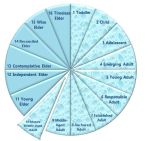
By the time adults reach this stage, many have navigated their mid-life transitions, finding a renewed sense of purpose, acceptance, and often, wisdom. This phase often brings a preference for familiar routines and a sense of stability, while offering opportunities to rediscover passions, redefine relationships, and even develop new skills and interests.
As individuals approach retirement, this period is characterized by planning for the next major life transition. Psychologist Levinson’s Late Adulthood Transition involves adjusting expectations, redefining one’s role beyond the workplace, and preparing for a shift in priorities. Many people take this time to focus on their health, well-being, and relationships, ensuring that they enter retirement in a positive state of mind. It is also a period of reflecting on achievements and considering the legacy they wish to leave behind. By fostering connections, engaging in hobbies, and setting new personal goals, individuals can create a meaningful and fulfilling pre-retirement phase, paving the way for a satisfying and purpose-driven retirement.
Embracing New Opportunities and Changing Dynamics
With children likely moved out and more disposable income at hand, many adults at this stage feel freed up to invest in personal pursuits. Whether it’s discovering new hobbies like painting or hiking, exploring travel destinations, or even pursuing entrepreneurial ventures, there’s a world of exploration waiting. Volunteering becomes a popular choice as well, not only benefiting the causes supported but boosting one’s own mental and physical well-being. Many people seek meaning and connection, reflecting on their lives and values. Spiritual practices or philosophical pursuits, including mindfulness or religious activities, can become more meaningful.
At home, gender roles might shift after the children have moved out. According to David Gutmann’s Life Span Human Development, men may become more passive, gentle, and emotionally expressive, while women often become more active, assertive, and independent, prompting a recalibration of relationships. Moreover, the bond with adult children matures into a respectful friendship, marked by support, advice, and mutual understanding. At the same time, older parents may need extra care, marking a new chapter in family relationships as these adults navigate the responsibilities of the “sandwich generation.”.
Gray Divorce and Rebuilding
A significant number of adults in this age group may find themselves facing grey divorce, as divorces after 50 become more common. In the U.S., 1 in 4 divorces now involves couples over 50, and the number of divorced individuals over this age even exceeds the number of widowers. This shift, which some call a divorce revolution, poses psychological and financial challenges, disrupting plans of growing old together. Websites like DivorcedOver50.com have emerged to support this growing demographic. Barry Gold, a contributor to the site, describes three stages of post-50 divorcees: “survive,” “revive,” and ultimately “thrive.” In line with this trend, online dating use among those aged 55 to 64 has risen significantly.
Societal Perceptions and Age Discrimination
Despite career accomplishments, some in this age group may experience age-based biases, particularly if they are seeking new employment or facing younger colleagues. However, many find that their experience and knowledge are valuable assets in the workforce, and companies are increasingly recognizing the benefits of an age-diverse workforce.
A growing trend among people in this age group is the pursuit of early retirement. Inspired by movements like FIRE (Financial Independence, Retire Early), many individuals are prioritizing financial planning and lifestyle adjustments to achieve independence from traditional work earlier than past generations. This trend often involves disciplined saving, investing, and a more minimalist lifestyle to reduce expenses. While early retirement may mean stepping away from full-time work, it doesn’t necessarily mean stepping away from purpose; many early retirees engage in passion projects, part-time consulting, travel, or volunteering. This approach allows them to enjoy greater flexibility, take on new challenges, and focus on personal fulfilment without the demands of a traditional career.
Mental Changes: Slowing Down, but Wiser
Mentally, there is an accelerated loss of brain volume, leading to more noticeable changes in memory and cognition. Processing speed slows down further, making it harder to learn new things, multitask, or handle complex visuo-spatial tasks. Barbara Strauch, in The Secret Life of the Grown-Up Brain, notes that while older brains take longer to process new information, they excel when dealing with familiar data, quickly discerning patterns and reaching logical conclusions.
Physical Changes and Adjusting Expectations
Physically, the aging process becomes more visible. Eyes lose the ability to adjust focus at varying distances, hearing continues to decline, and skin becomes drier and more prone to wrinkles, particularly on the face. The senses of taste and smell gradually diminish. Sleep patterns also change; many middle-aged adults find themselves waking up more frequently and feeling tired in the morning. Muscle tone can decrease, and individuals may experience joint stiffness and other signs of wear and tear. Maintaining a healthy lifestyle is crucial, with recommendations for regular exercise, a balanced diet, and sufficient rest.
This stage of life brings a sense of balance, combining newfound freedom with emotional maturity. Health and career considerations remain important, but many find it’s also the perfect time to deepen relationships with family and friends, embrace personal interests, and focus on meaningful experiences. Whether through volunteering, exploring new hobbies, or traveling, the emphasis often shifts to activities that provide lasting fulfilment, allowing individuals to approach the coming years with confidence and a renewed sense of purpose
Have you found yourself discovering new hobbies or facing new challenges in your 50s? Share your experiences below. Or download your Life Stages in Blobs Worksheet now and start your journey!
Click here for Blob 11: Young Elder
or read about any other Blob:
Spring: 1-6, 7-12, 13-18, 19-24
Summer: 25-30, 31-36, 37-42, 43-48
Autumn: 49-54, 55-60, 61-66, 67-72
Winter: 73-78, 79-84, 85-91, 91-…
Understand why the 7-year life stages are outdated in this Blog.
RESOURCES AND REFERENCES
Life-Span Human Development by By Carol K. Sigelman, Elizabeth A. Rider
Divorce After 50 Grows More Common by Sam Roberts in The New York Times
Key Things to Consider When Divorcing Over 50 by Bob Burger
Navigating The 3 Stages Of Divorce After 50 by Barry Gold in the Huffington Post
Online Dating & Relationships by Pew Research Center
Generativity on Wikipedia
The 100-Year Life: Living and working in an age of longevity by Lynda Gratton and Andrew Scott
The Secret Life of the Grown-up Brain: The Surprising Talents of the Middle-Aged Mind by Barbara Strauch

 Life Stages in Six-Year Blobs – Personal Growth by Age