
Aging can be viewed through different lenses, depending on cultural and personal beliefs. For some, it may be seen as an undesirable process that diminishes beauty and brings one closer to death. For others, it represents an accumulation of wisdom, a mark of survival, and a status worthy of respect.
In many Eastern cultures, elders are traditionally revered as wise and respected figures, keepers of knowledge and experience. In many African cultures, elder years are a time of wisdom-sharing. Elders often act as storytellers and custodians of cultural heritage, maintaining their importance within the community. In contrast, aging in Western societies can sometimes lead to feelings of loneliness and social irrelevance, which can result in low self-esteem. This can lead to bitterness, frequent complaints, and a tendency to dwell on the past, with repetitive stories and views that may no longer align with earlier beliefs.
Adjusting to New Realities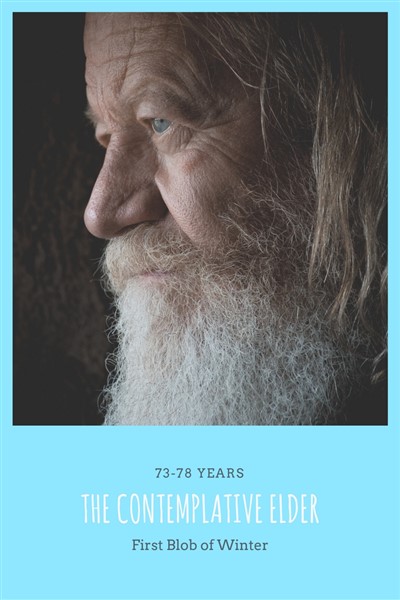
In this Blob, it gradually becomes more difficult to avoid dependence on assistance due to declining mobility (e.g., arthritis, inability to drive). As elders experience the loss of close friends and family members, the desire to spend time with loved ones often grows stronger. However, when health permits, most elders still prefer to live independently rather than rely on others.
Cognitive abilities in this age group can vary widely. Many elders remain mentally sharp, but for others, chronic health conditions like high blood pressure, diabetes, or heavy alcohol use may have taken a toll on memory and cognition. Dementia, for instance, often begins to manifest in the mid-to-late 70s, which can make some elders more vulnerable to scams or crimes.
Coping with Aging
How well elders cope with stress depends on various factors, including social support, relationships, religious beliefs, active engagement in life, and a sense of control. A positive self-perception of health also correlates with higher well-being. Interestingly, older adults often maintain a stable sense of subjective health, even as objective health declines—a phenomenon known as the paradox of aging. Through social comparison, many elders may perceive themselves as healthier than their peers, even if their actual health has worsened. British author Lynne Segal discussed this paradox in a fascinating talk with The Economist, which you can view here.
Physical Health Challenges
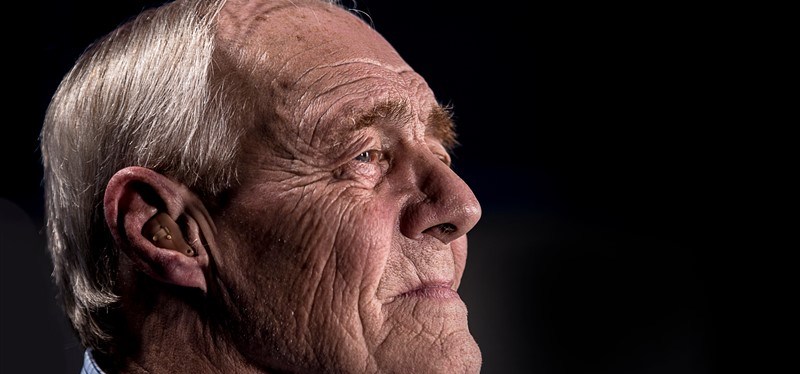
 Physically, the most common health concerns during this stage of life include arthritis, rheumatism, cancer, cataracts, dental problems, diabetes, hearing and vision issues, heart disease, hypertension, and orthopaedic injuries. These medical conditions can also interact; for example, high blood pressure and diabetes may exacerbate hearing loss. Hearing aids, which can improve hearing by up to 50%, are commonly used by this age group.
As the body ages, muscle mass and strength decline, especially after the age of 70. Height reduction is common, and increased frailty can make falls and injuries more serious. Managing these physical challenges requires adjustments and, sometimes, the acceptance of a slower pace of life.
Mental Health and Cognitive Changes
Mentally, aging brings about changes as nerve cells lose some of their receptors, and blood flow to the brain decreases. This can cause elders to react more slowly or take longer to complete tasks. However, given enough time, they can still perform these tasks accurately. Common mental health issues during this period include depression, anxiety, and dementia.
Finding Peace Through Reflection
Reflection and contemplation can be invaluable tools for navigating this stage of life. By looking inward, elders can draw on inner strength and wisdom, allowing them to find peace and reframe past mistakes and failures. This inward journey can help one move beyond regrets, finding a sense of fulfillment and acceptance.
How have you or your loved ones coped with the challenges of aging? What activities or habits have brought peace and joy?
Download your Life Stages in Blobs Worksheet now and document your journey!
Click here for Blob 14: Reconciled Elder
or read about any other Blob:
Spring: 1-6, 7-12, 13-18, 19-24
Summer: 25-30, 31-36, 37-42, 43-48
Autumn: 49-54, 55-60, 61-66, 67-72
Winter: 73-78, 79-84, 85-91, 91-…
Understand why the 7-year life stages are outdated in this Blog.
RESOURCES AND REFERENCES
Aging (Life Cycle) by World Heritage Encyclopedia
Your memory Timeline by Johns Hopkins Health Alert for Maturity Matters
From Age-ing to Sage-ing: A Revolutionary Approach to Growing Older by Zalman Schachter-Shalomi

 Life Stages in Six-Year Blobs – Personal Growth by Age
Thanks for sharing this post. I am about to enter this phase of The Blob, and so far I am fit and mentally stable (although my kids would probably not totally agree with that statement! 🙂 )
LikeLiked by 1 person
You sound very fit and mentally stable to me. Keep it up! 🙂
LikeLiked by 1 person