

Life is a series of transitions. Some are eagerly anticipated, like graduating from college or getting that first job, while others, like dealing with the empty nest or approaching retirement, might feel less welcome. What’s universal, though, is that each shift brings a mix of excitement, fear, and a chance for growth. Let’s dive into key life transitions and how to embrace these changes.
1. From Adolescence to Young Adulthood: Finding Your Way
One of the most pivotal shifts in life is moving from adolescence into young adulthood. You leave behind the relative security of living under your parents’ roof and step into a world full of new responsibilities, choices, and pressures. It’s a time to shape your identity, make career choices, and build relationships.
How to Navigate It:
• Embrace Uncertainty: It’s okay not to have everything figured out. Experiment with different jobs, hobbies, or paths. Each experience teaches you something.
• Build a Support System: As you start living independently, surround yourself with people who uplift you—friends, mentors, and family.
• Focus on Self-Discovery: Spend time understanding what drives you. Journaling, traveling, or volunteering can provide valuable insights.
2. Entering Parenthood: A New World of Responsibility

Becoming a parent marks a monumental change, as life shifts from focusing on yourself to caring for another human being. You’ll likely face sleepless nights, new worries, and endless diaper changes, but also moments of pure love and pride.
Tips for This Stage:
• Accept Help: Parenting is tough, and you don’t need to go it alone. Family, friends, and community groups can make a world of difference.
• Communicate with Your Partner: If you’re co-parenting, ensure you’re both on the same page. Discuss expectations and share responsibilities.
• Make Time for Yourself: Your needs matter too. A little self-care, even if it’s just a 10-minute break, can make you a better, more present parent.
3. Navigating the Empty Nest: Redefining Your Role
Once the kids leave home, you may find yourself in an empty house, grappling with a new sense of identity. It’s normal to feel a mix of freedom and loss. But this stage is also an opportunity to rediscover old passions or pursue new ones.
Strategies to Cope:
• Reconnect with Your Partner or Yourself: If you’re married, it’s a great time to rekindle your relationship. If not, use this stage to focus on your personal goals and dreams.
• Stay Connected: Even though your kids have flown the nest, maintain a close relationship through regular calls or visits.
• Pursue New Interests: Take up a hobby, volunteer, or consider traveling. It’s your time to explore.
4. Approaching Retirement: Redefining Your Purpose
Retirement is more than just leaving the workforce; it’s about finding new meaning and staying active. While some people jump into this phase with excitement, others may struggle to redefine their purpose.
How to Find Fulfillment:
• Plan Ahead: Think about what retirement means to you. Do you want to volunteer, travel, or start a small business?
• Stay Physically Active: Exercise keeps your body and mind sharp. Consider joining a walking club or picking up a sport.
• Foster Social Connections: Loneliness can be a challenge in retirement, so make an effort to stay engaged with friends or join community groups.
Embracing Life’s Changes
Transitions can be scary, but they’re also opportunities to grow, learn, and reinvent yourself. The key is to approach each stage with an open mind and a willingness to adapt. Remember, it’s okay to feel uncertain or sad about leaving one phase behind. What matters is how you choose to move forward.
What transition are you currently navigating, or which one was the hardest for you? Share your experiences in the comments and let’s support each other through life’s ever-changing journey!






 The idea of the “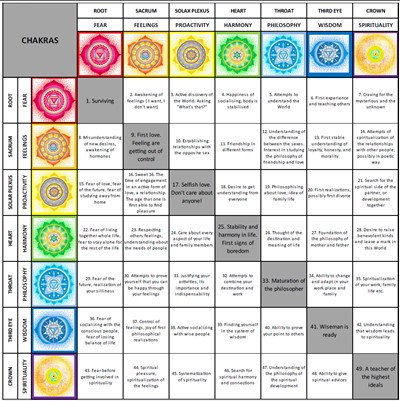




 Age-based expectations aren’t the only things evolving—gender roles are also changing. Thirty or sixty years ago, it was the norm for mothers to stay at home, taking care of the children and household, while fathers earned the bread. This setup is no longer the standard, nor is it always sustainable. Due to both economic necessity and a desire for self-fulfilment, more mothers are returning to the workforce after a short break, expecting fathers to take on their share of household duties. While stay-at-home fathers are still relatively rare, the trend is changing, and the stigma surrounding it has lessened.
 Life Stages in Six-Year Blobs – Personal Growth by Age