


The toddler years are marked by tremendous brain and physical development, laying the foundation for all future stages. It is a time for supervised character growth within a secure and nurturing environment.
By the end of year 5, the brain reaches 90% of its adult weight. Studies show that factors like stress and nutrition significantly impact brain development, emphasizing the importance of a healthy environment during these formative years. A longitudinal study in China found that vocabulary strength at ages 3-5 has a direct relationship to IQ levels in later grades.
Cognitive Development and Curiosity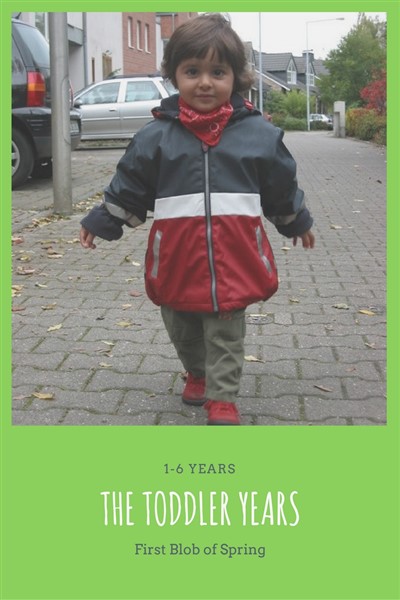
During this stage, toddlers are endlessly inquisitive, and everything around them sparks their curiosity. They constantly ask questions (“Why?” “How?”), rapidly expanding their vocabulary and understanding of the world. They learn by exploring, experimenting, and making mistakes. Overprotected toddlers, who aren’t given the chance to face challenges on their own, may begin to doubt their abilities, leaving them less prepared for future challenges.
In the first six years of life, children learn to trust their environment and develop independence. According to psychologist Erikson, children develop foundational skills in trusting their environment and gaining independence. During infancy, consistent and nurturing caregiving is crucial, as it helps build basic trust. A child who experiences reliable care will learn to trust others and feel secure, forming a basis for healthy relationships later in life. As children move into toddlerhood, they begin to assert their independence and explore autonomy. Encouraging this sense of autonomy while providing appropriate support fosters confidence and resilience. Challenges, such as overly restrictive environments, can lead to shame and doubt, affecting the child’s ability to take initiative in future stages. In Scandinavian countries, early childhood emphasizes outdoor play and exploration, even in colder months. Children are encouraged to develop independence by engaging in free play in nature, building resilience and autonomy from an early age.
Motor Skills and Physical Activity
Motor skills also develop rapidly. Toddlers progress from wobbly first steps to confident walking, running, jumping, hopping, and even cycling. Their energy often seems boundless. Fine motor skills improve as well; they learn to use their thumbs effectively, mastering tasks like holding a pencil, cutting with scissors, dressing themselves, and even helping with household chores.
Growing Independence and Imagination
Toddlers start to develop a sense of independence, frequently using the word “I.” Their thinking is still ego-centric, and they often struggle to see things from others’ perspectives. This ability is gradually developed through imaginative play and storytelling. Through make-believe games with toys like dolls, action figures, and stuffed animals, they create complex scenarios where inanimate objects take on life-like qualities.
Social Skills and Emotional Development
Social skills begin to take shape as toddlers learn to play cooperatively with others, build relationships, and experience a sense of belonging within a group. They discover how to communicate, joke, and sing, and they learn to express their emotions—sometimes displaying remarkable cooperation, and other times showing demands or frustration. Managing emotions remains a challenge, often resulting in temper tantrums and meltdowns.
Similar to how animal cubs learn from their elders—through observation rather than words—children pick up survival skills and behaviours from their parents, surroundings and culture. Both beneficial and detrimental survival skills are passed down through this process, which in turn mould reactions and character. We start absorbing unconscious behavioural responses. The way we approach opportunities, relationships, and even food is influenced by these deeply rooted reactions. These early-learned behaviours have a significant impact on how we develop our attitudes and habits later in life.
The Role of Technology
Technology has become an important aspect of even the toddler Blob, leading many to wonder, “How young is too young?” Many toddlers today are adept at using laptops, smartphones, and tablets, even before starting school. They often mimic their parents’ tech behaviours and may spend hours each day interacting with devices. While smartphones and tablets can be used to pacify or distract, this habit can unintentionally hinder the development of vital skills, such as self-regulation. Limited face-to-face interaction may also impact the development of social skills and empathy.
However, with controlled and mindful usage, technology can be a helpful tool, supporting the development of digital literacy and preparing children to navigate an increasingly digital world.
Emotional Security and Brain Development
At this stage, the left (logical) side of the brain is not fully developed, and toddlers cannot yet manipulate information mentally. The right (emotional) side of the brain is dominant, and research suggests that toddlers who do not feel secure or loved may face trust issues later in life. Since the fear of abandonment causes intense emotional reactions, the toddler stage is a critical time for the deep need for unconditional love and connection. If left unchecked, this survival instinct—which has its roots in our evolutionary past—can continue into adulthood and cause emotional dependence and relationship problems. A stable, loving environment—provided by family, close friends, or a secure day-care setting—helps build this sense of trust. Within this supportive environment, toddlers need both close supervision and the freedom to explore, allowing their egoism to transform into self-confidence and their emotions to be channelled toward achieving goals in the future.
How do you balance screen time and active play for toddlers? What are some of the challenges you’ve faced in nurturing your child’s independence?
Download the Life Stages in Blobs Worksheet now and start your child’s journey!
Click here for Blob 2: Child
or read about any other Blob:
Spring: 1-6, 7-12, 13-18, 19-24
Summer: 25-30, 31-36, 37-42, 43-48
Autumn: 49-54, 55-60, 61-66, 67-72
Winter: 73-78, 79-84, 85-91, 91-…
Understand why the 7-year life stages are outdated in this Blog
Resources and References
Attachment and Adult Relationships : How the Attachment Bond Shapes Adult Relationships
Tracing children’s vocabulary development from preschool through the school-age years: An 8-year longitudinal study

 Life Stages in Six-Year Blobs – Personal Growth by Age
2 thoughts on “1-6 years (Toddler)”