Ages 73 and Beyond

Winter

Winter is not an ending. It is a deepening, a time for slowing down, for reflection, for appreciating the full weight of a life fully lived.

"Old age is not a disease. It is strength and survivorship, triumph over all kinds of vicissitudes and disappointments." (Maggie Kuhn)

The Season of Depth

About Winter

Winter arrives when the outer busyness of life quiets enough for the inner life to speak. For some, this is welcome. For others, the slowing requires adjustment. In both cases, Winter holds something that no earlier season can offer: the view from having lived it all.

Wisdom-Keepers

Eastern, African, and Indigenous traditions have long honoured elders as the holders of essential knowledge. In Western culture, this role is increasingly being reclaimed, and it matters.

Gems Polished by Time

Like precious stones mined, cut, and buffed over years, the wisdom of Winter elders has accumulated through decades of experience that cannot be shortcut or replicated.

Integrity vs. Despair

Erikson's final stage: looking back on a life and finding it, on balance, well-lived. This is the central task of Winter, and it is harder, and more rewarding, than it sounds.

Five Stages

The Blobs of Winter

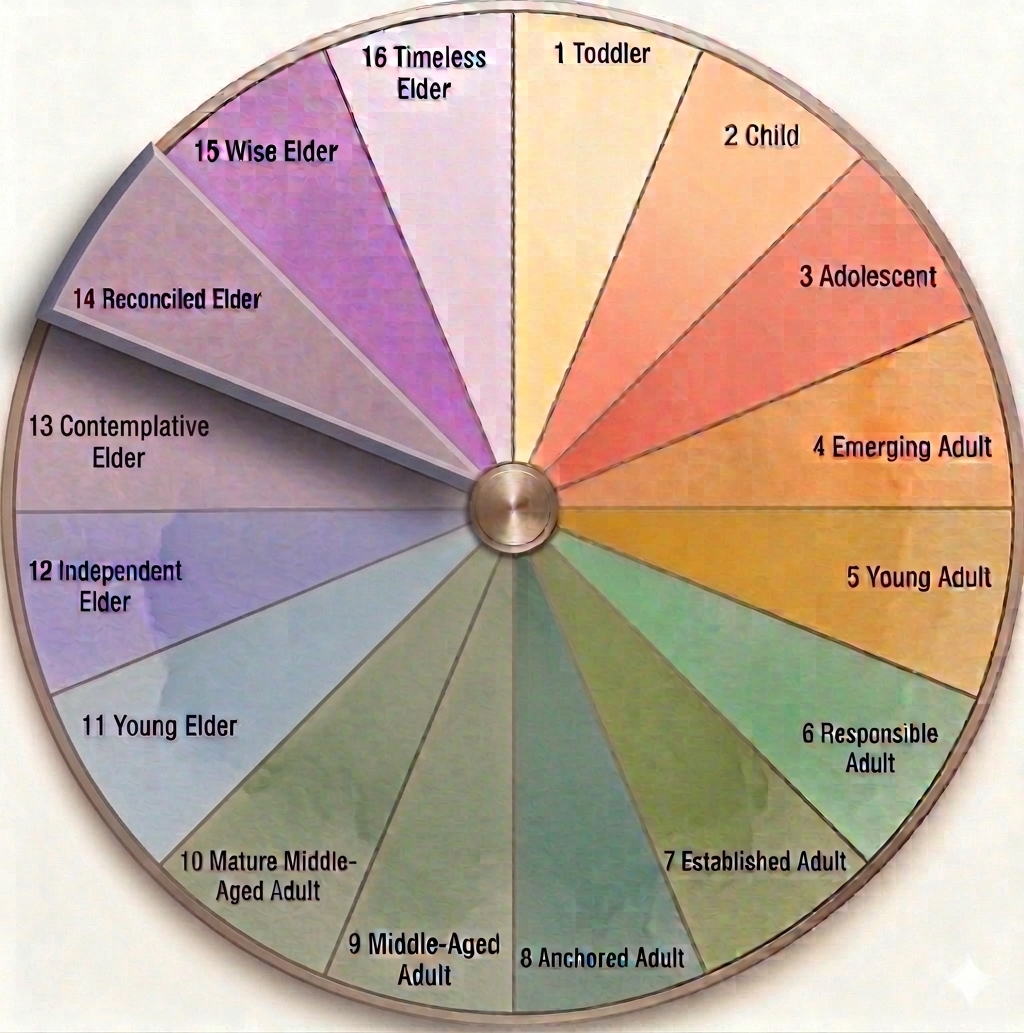
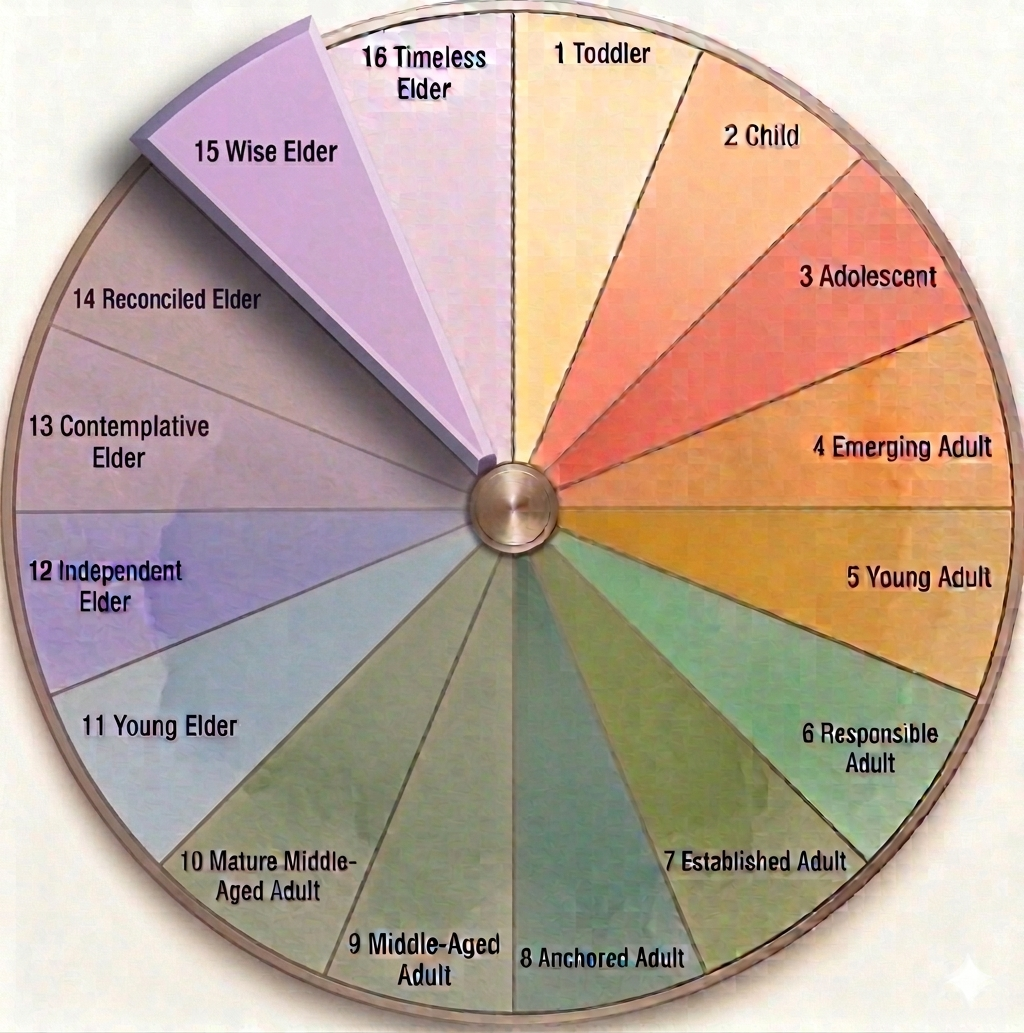
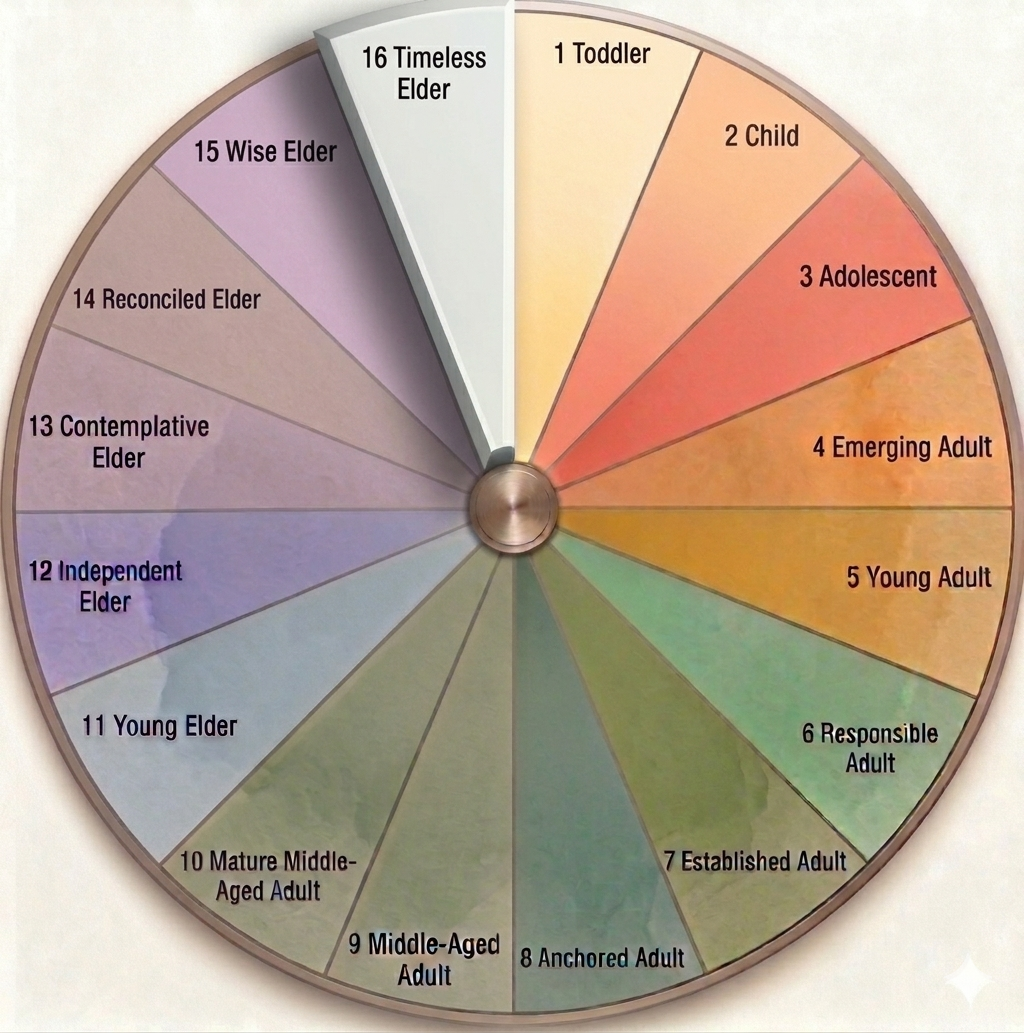
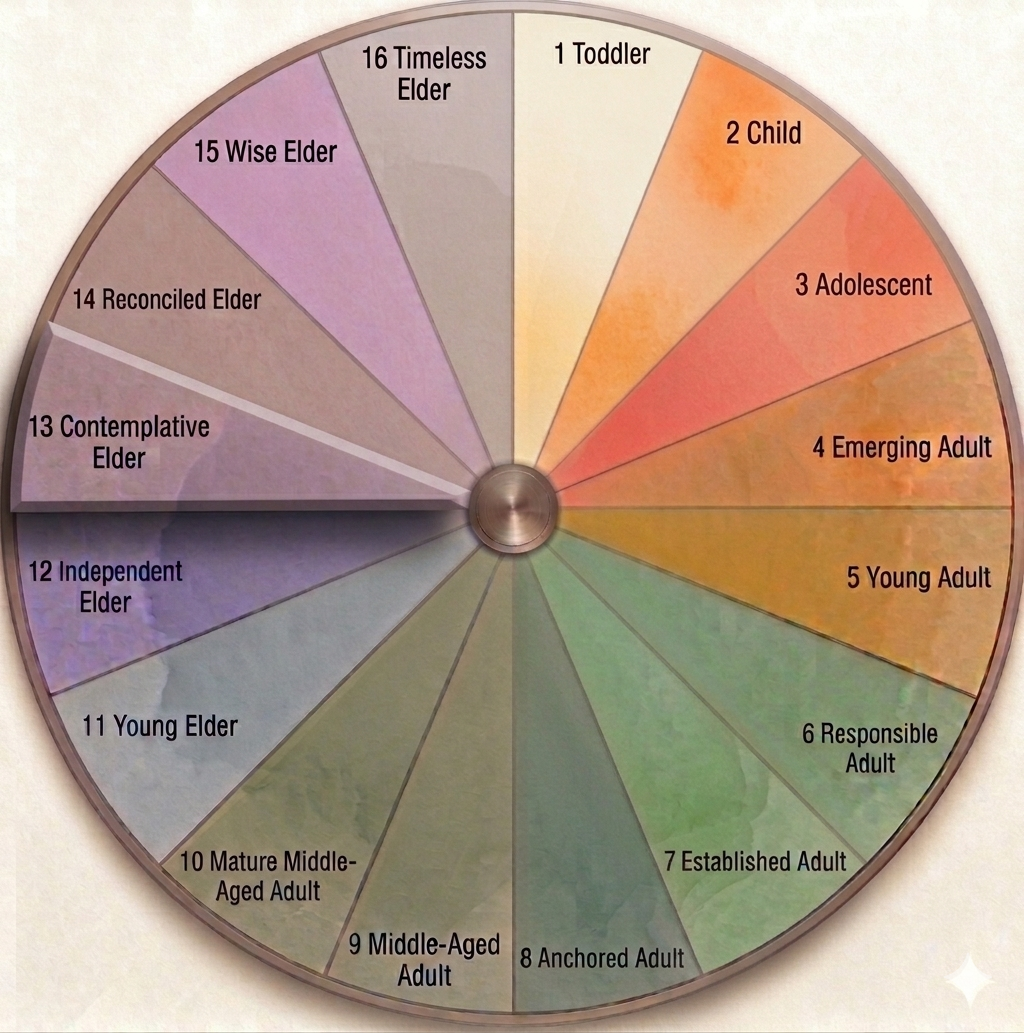
Winter spans five six-year Blobs, from the contemplative 70s through to the centenarian years, plus a special section on End of Life.
At Any Stage

End of Life

The final months of existence can occur at any life stage, though they share with Winter the quality of slowing down and turning inward. Kübler-Ross, the five regrets of the dying, and how to navigate what can't be avoided with grace and intention.

Explore →

Key Themes of Winter

The Paradox of Ageing

One of the most consistent findings in research on older adults: subjective wellbeing often remains stable, or even improves, despite objective physical decline. Elders develop sophisticated coping mechanisms, adjust their social comparisons, and find meaning in ways that younger people often underestimate.

The Demographics of Winter

Those aged 80+ will increase from 6% to 15.3% of the EU population by 2100. The fastest-growing demographic globally is 85+, projected to represent 4.1% of the world population by 2050. These are not statistics. They are people who deserve dignity, engagement, and recognition.

Honouring Elders

Eastern, African, and Indigenous traditions have long held elders as repositories of essential wisdom. The Western tendency to treat old age as irrelevance is, historically speaking, the aberration. Reclaiming a culture of elder wisdom is one of the most important things a society can do.

Activity and Continuity

Activity Theory suggests that remaining active, including a 30-minute daily walk that reduces mortality risk by 50%, is crucial to Winter wellbeing. Continuity Theory adds that maintaining familiar activities supports identity and psychological stability. Purpose is not optional at any age.